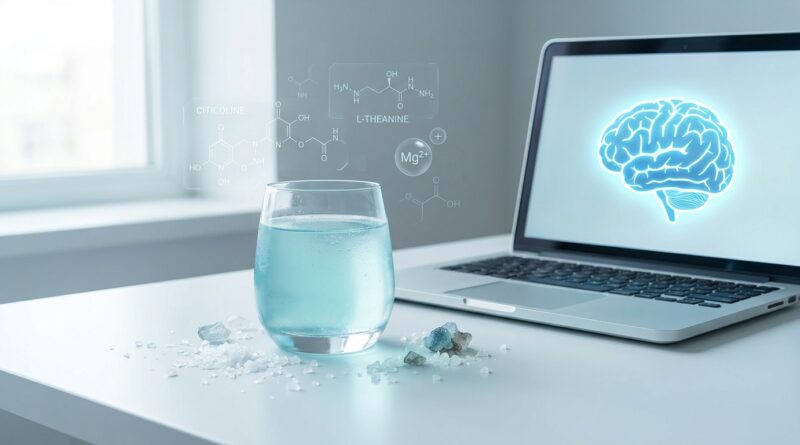
The Electrolyte Nootropic Shift: Why ‘Brain Hydration’ Drinks Are Quietly Replacing Energy Shots In 2026
By 2 p.m., a lot of people are not truly tired. They are foggy. There is a difference. Your body might be upright and moving, but your brain feels slow, sticky, and weirdly uncooperative. Another coffee gives you a brief lift, then a harder crash. A sugary energy shot can make you feel alert for an hour, then leave you edgy, thirsty, and distracted. That frustration is exactly why a new category is getting attention so fast in 2026. The nootropic electrolyte drink for focus and brain hydration is starting to replace the old “more caffeine fixes everything” approach. The idea is simple. Some afternoon brain drag looks less like a motivation problem and more like a mix of mild dehydration, stress-related mineral depletion, and poor cognitive fuel. The newest products are trying to treat all three at once. Some will help. Some are just expensive flavored water. Knowing the difference matters.
⚡ In a Hurry? Key Takeaways
- A good nootropic electrolyte drink for focus and brain hydration can help more than an energy shot if your slump is tied to dehydration, stress, or poor mineral balance, not lack of caffeine.
- Look for useful doses of sodium, magnesium, and potassium first, then add-ons like citicoline, L-theanine, ketones, or taurine in clearly listed amounts.
- Skip products that hide doses in “proprietary blends,” overload caffeine, or promise instant genius. If you have high blood pressure, kidney issues, or take medication, check with a clinician before making it a daily habit.
Why this shift is happening now
For years, the market gave people two not-great choices.
Option one was the classic energy drink or shot. Tons of caffeine. Often too much sugar or too many stimulants. Fast results, then shaky hands, a racing mind, and a crash that makes 4 p.m. feel even worse than 2 p.m.
Option two was the clean-looking hydration powder. Nice branding. A little sodium, maybe some magnesium, maybe a squeeze-of-lime vibe. Fine for a workout. Not much help when your brain is stalling in the middle of meetings, deadlines, or school pickups.
Now brands are trying to fill the gap between those two. They are mixing full-spectrum electrolytes with nootropics that aim to support attention, working memory, and stress resilience without turning your nervous system into a pinball machine.
That is the real story behind the current wave of launches and reformulations. This is not just “hydration, but premium.” It is a move toward drinks built for cognitive strain, not just physical sweat.
What “brain hydration” actually means
The phrase sounds a little gimmicky, so let’s make it plain.
Your brain is heavily dependent on fluid balance, blood flow, and stable electrical signaling. Electrolytes help with that signaling. Sodium, potassium, magnesium, and chloride all play a role in nerve function, muscle contraction, and keeping fluid in the right places.
If you are mildly dehydrated, stressed, under-slept, over-caffeinated, or eating in a way that leaves your minerals low, your brain can feel slower before your body feels dramatically thirsty.
That does not mean every headache or brain fog problem is solved by salt water. It means hydration is often part of the picture, and the old habit of treating every slump like a caffeine emergency misses that.
The short version
Brain hydration is not magic. It is support. Better fluid balance plus the right minerals can make focus feel less effortful. Add a few well-chosen nootropics, and the effect can be more noticeable than plain hydration alone.
What ingredients actually matter
This is where most buyers get tripped up. Front labels make everything sound smart. The back label tells you whether the product has a real chance of working.
Electrolytes first, not as an afterthought
If a drink barely contains electrolytes, calling it “brain hydration” is mostly marketing.
Look for a sensible amount of:
- Sodium: Often the most important electrolyte for hydration support. Too little, and the drink may not do much. Too much, and it may not fit everyone.
- Potassium: Helps fluid balance and nerve signaling.
- Magnesium: Useful for stress, muscle function, and calmer energy, though form matters.
- Chloride: Less glamorous, but part of proper hydration formulas.
Zinc sometimes appears in these blends too. It can be helpful nutritionally, but it is not the main driver of acute focus. Think of it as background support, not the star.
Nootropics that make sense in a drink
The better formulas tend to use ingredients with a clear reason for being there.
- Citicoline: Often included for attention, mental energy, and memory support. It has a better case than many trendy plant extracts.
- L-theanine: Helpful if the product includes caffeine, because it can smooth the edge and reduce the “too wired” feeling.
- Taurine: Common in energy drinks, but not just for hype. It may support calm focus and cellular function.
- Magnesium glycinate or magnesium L-threonate: Better story for brain and stress support than the cheapest forms, though drinks do not always use these because of cost and formulation limits.
- Exogenous ketones: These “clarity water” products aim to provide an alternate fuel source. They can be interesting, but they are often pricey and not always pleasant tasting.
What to be careful with
- Proprietary blends: If you cannot see the dose, assume the brand is hiding something.
- Token pixie dusting: A tiny sprinkle of a trendy ingredient looks good on a label and does little in real life.
- Too many stimulants: If it is packed with caffeine, yohimbine, or other aggressive ingredients, it is still basically an energy drink wearing a lab coat.
Why dosing and mineral ratios matter more than the buzzwords
A drink can name ten impressive ingredients and still be badly built.
This category lives or dies on dosing and balance. A formula with enough sodium to actually support hydration, enough magnesium to be meaningful, and one or two properly dosed nootropics will usually beat a kitchen-sink product every time.
Ratios matter too. If sodium is extremely low but the marketing screams hydration, expect disappointment. If magnesium is present but in a cheap form with poor absorption or stomach issues, it may not help much. If citicoline is listed but the dose is tiny, the effect may be too subtle to notice.
This is also why many people have mixed results. They are not wrong that one drink “worked” and another did nothing. The labels can look similar while the actual formula quality is miles apart.
Who is most likely to notice a benefit
These drinks are not for everyone, and they are not miracle workers. But some groups are more likely to feel the difference.
People under steady mental stress
If your days involve context-switching, screens, deadlines, and lots of low-grade tension, the combo of electrolytes plus calmer nootropics can make more sense than another espresso.
People who under-hydrate without realizing it
Many people drink coffee, skip water, eat light during the day, and then wonder why their concentration tanks. A good nootropic electrolyte drink for focus and brain hydration may help simply because it fixes the basics while adding a little cognitive support.
People eating less because of appetite changes
This is especially relevant for readers dealing with reduced food intake, including those using GLP-1 medications. If that sounds familiar, our piece on Brainergy 2.0: How ‘GLP‑1 Companion’ Nootropics Could Turn Weight‑Loss Drugs Into Unexpected Focus Boosters digs into why focus can drop even when weight loss is going well.
Timing matters more than people think
Even a good formula can feel disappointing if you use it at the wrong time.
Best use case: late morning or early afternoon
This is usually the sweet spot. You are not trying to rescue a completely wrecked day. You are trying to stop the slide before it gets ugly.
Use it before the crash, not after
If you wait until you are fully fogged out, dehydrated, and irritable, the drink may feel weaker than it really is. Think of it as support, not emergency medicine.
Pair it with food when needed
Some people do better taking these with a light meal or snack, especially if the formula has minerals that can feel sharp on an empty stomach.
A simple daily protocol that does not turn into a science project
You do not need a shelf full of powders and cans.
Option 1: Caffeine-free clarity support
Good for people who are already overstimulated or sensitive to coffee.
- Morning: normal water and breakfast
- Late morning or 1 p.m.: electrolyte drink with sodium, potassium, magnesium, plus citicoline or taurine
- Afternoon: plain water, then reassess before reaching for coffee
Option 2: Smoothed caffeine
Good if you still want some lift but hate the spike-and-crash cycle.
- Morning: coffee or tea as usual
- Early afternoon: electrolyte drink with modest caffeine plus L-theanine and electrolytes
- Avoid: stacking it with another high-stim pre-workout or energy shot
Option 3: High-stress workdays only
If you do not want a daily habit, reserve these drinks for heavy meeting days, travel, heat, poor sleep, or long focus blocks.
That approach also makes it easier to notice whether a product truly helps.
How to avoid getting fooled by this category
This is the part that saves money.
Read the label like a skeptic
If the ingredient list sounds brilliant but the amounts are hidden, move on.
Separate hydration claims from nootropic claims
Ask two questions. Does it have enough electrolytes to hydrate well? Does it have enough cognitive ingredients to help focus? A “yes” to one does not guarantee a “yes” to the other.
Do not confuse feeling stimulated with thinking clearly
Some drinks make you feel amped, chatty, or restless. That is not the same as better concentration. Clearer thought is the goal, not a fake sense of productivity.
Test one product at a time
If you change your sleep, coffee, supplements, and hydration all at once, you will never know what helped.
Safety notes worth keeping in mind
These drinks look friendlier than energy shots, but they are still active products.
- If you have high blood pressure, pay attention to sodium.
- If you have kidney disease or are on fluid or mineral restrictions, check with your doctor first.
- If you take stimulants, antidepressants, or anxiety medication, be careful with stacked nootropics and added caffeine.
- If a drink upsets your stomach, the issue may be the mineral form, sweetener, or simply too much too fast.
And of course, no drink can fix chronic sleep loss, very low calorie intake, or burnout on its own.
At a Glance: Comparison
| Feature/Aspect | Details | Verdict |
|---|---|---|
| Traditional energy shots | Fast stimulant hit, often heavy on caffeine and light on hydration or meaningful mineral support | Useful for emergencies, poor for steady daily focus |
| Minimalist hydration powders | Can help fluid balance, but often do little for attention, stress resilience, or afternoon mental clarity | Good hydration support, weak cognitive support |
| Nootropic electrolyte drinks | Combine electrolytes with ingredients like citicoline, taurine, L-theanine, magnesium, or ketones for smoother focus | Most promising middle ground, if dosing and ratios are honest |
Conclusion
The appeal of this new category is easy to understand. People are tired of choosing between drinks that fry their nerves and powders that barely move the needle. The recent wave of launches and reformulations is interesting because it tries to solve a real problem: the not-quite-exhausted, very-much-foggy brain that shows up under stress, light dehydration, and long workdays. Still, this is a category where hype can outrun substance fast. The smartest move is not to chase every new can. It is to look for what actually matters: useful ingredient dosing, sane mineral ratios, and timing that fits your day. Do that, and a nootropic electrolyte drink for focus and brain hydration can become a simple, sustainable tool. Ignore that, and you are back to expensive trial-and-error with prettier packaging.