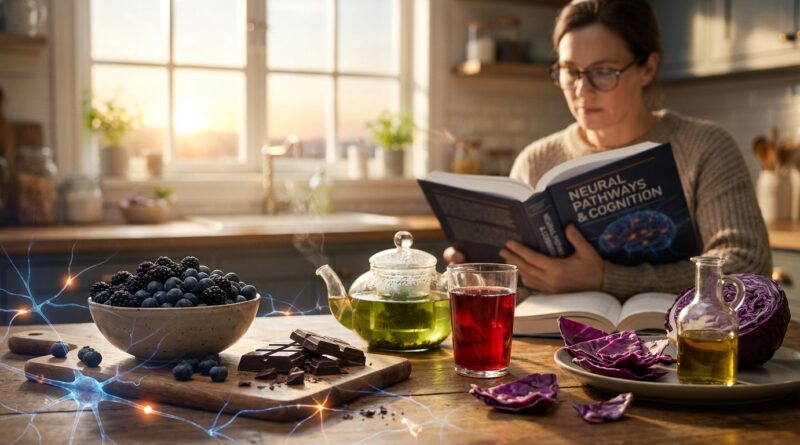
The Polyphenol Brain Shield: How A High‑Flavonoid Diet Just Beat ‘Normal Aging’ In A New 3‑Year Cognitive Study
You know the feeling. You walk into a room and forget why. A familiar name sits on the tip of your tongue. Your focus is not gone, but it is not as sharp as it used to be either. That is frustrating, especially if you are already sleeping better, walking more, and trying to “eat healthy” without seeing much change. The good news is that a new high flavonoid diet cognitive function study gives something far more useful than vague wellness talk. It points to specific foods, eaten consistently, that were linked to better cognitive performance over three years in real adults living normal lives. Even better, this was not about pricey powders or miracle pills. It was about a repeatable food pattern built around berries, tea, apples, citrus, cocoa, and other polyphenol-rich staples. For many people, that means the first practical brain upgrade may start in the grocery aisle, not the pharmacy.
⚡ In a Hurry? Key Takeaways
- A higher-flavonoid eating pattern was linked with better cognitive scores over three years, and some people improved versus their own starting point.
- The simplest daily move is to build a repeatable rotation of berries, tea, apples, citrus, leafy greens, and a small amount of dark chocolate or cocoa.
- This is food-first, not supplement hype. It is low risk for most people, but anyone on blood thinners, diabetes meds, or a medically restricted diet should check with their clinician before making big changes.
What the study really found
The headline matters because it cuts through a lot of noise. A recent longitudinal study followed thousands of adults for about three years and compared diet patterns with changes in composite cognitive scores. The standout finding was not just that higher flavonoid intake tracked with slower decline. In many cases, people with consistently stronger intakes of flavonoid-rich foods showed better overall brain performance compared with their own baseline.
That is a big deal. “Normal aging” often gets treated like a one-way slide. This research suggests the slide may be slower than we thought, and in some people, daily food choices may help tilt the slope in the other direction.
What are flavonoids, in plain English?
Flavonoids are natural compounds found in many plants. They give berries, tea, cocoa, apples, onions, and citrus some of their color and bite. More important for your brain, they appear to support blood vessel function, help manage oxidative stress, and may influence inflammation and signaling pathways involved in memory and attention.
You do not need to memorize the chemistry. Think of flavonoids as one of the main reasons whole plant foods punch above their weight.
Foods that tend to be highest in flavonoids
These are the practical all-stars:
- Berries, especially blueberries, blackberries, strawberries
- Tea, especially green and black tea
- Apples, especially with the skin
- Citrus fruits like oranges, mandarins, grapefruit
- Cocoa and dark chocolate
- Red and purple grapes
- Leafy greens and herbs
- Onions, especially red onions
Why this may help your brain
Your brain is energy-hungry. It also depends on good blood flow and stable signaling between neurons. Flavonoid-rich foods may help in several boring but important ways. They can support the lining of blood vessels, improve nitric oxide signaling, and reduce some of the wear-and-tear that builds up with age. None of that sounds glamorous. But brain performance often comes down to the basics working a little better, every day.
This is why food patterns beat one-off hacks. You are not trying to “feel” a supplement kick. You are trying to create slightly better conditions for memory, focus, and resilience over months and years.
The practical daily pattern that fits real life
If you want to use the study without turning your kitchen into a lab, start here. Aim for a repeatable pattern instead of chasing perfect numbers.
A simple high-flavonoid day
Breakfast: Greek yogurt or oatmeal with blueberries and a chopped apple. Green or black tea on the side.
Lunch: Big salad with spinach or mixed greens, red onion, citrus segments, beans, olive oil, and a protein you actually like.
Snack: A handful of berries, an orange, or a square or two of dark chocolate.
Dinner: Salmon, tofu, or chicken with broccoli or kale, plus a side of quinoa or potatoes. Herbal add-ons like parsley and fresh herbs help more than most people realize.
Optional evening: Unsweetened cocoa stirred into yogurt, kefir, or warm milk.
The weekly checklist
- Berries at least 5 times a week
- Tea 1 to 2 cups most days
- Apples or citrus most days
- Leafy greens at least 5 times a week
- Cocoa or dark chocolate a few times a week, not candy-bar amounts
- Beans, nuts, and extra colorful produce as regular backups
What to buy on your next grocery run
If you want something you can do between today’s coffee and next month’s lab work, this is it:
- Frozen blueberries or mixed berries
- Apples
- Oranges or mandarins
- Green tea or black tea
- Spinach, arugula, or spring mix
- Red onion
- Unsweetened cocoa powder
- Dark chocolate, ideally 70 percent cocoa or higher
- Beans or lentils
- Fresh parsley or cilantro
Frozen berries deserve special praise here. They are cheaper, keep longer, and often make it easier to stay consistent. Consistency is where the payoff lives.
What this does not mean
It does not mean flavonoids are a cure for dementia. It does not mean every person will see obvious short-term changes. And it definitely does not mean you should ignore sleep, exercise, blood pressure, blood sugar, hearing, stress, or social isolation. Brain health is still a full-system project.
But this study does mean diet deserves a lot more respect than it usually gets in conversations about cognitive aging.
Food first vs supplements
This is where a lot of readers get burned. They hear about a promising compound, then end up spending a small fortune on capsules with shaky quality control. The study’s value is that it points to a whole-food pattern, not just a label claim.
Could flavonoid supplements help in some situations? Maybe. But food gives you the natural mix. Fiber, minerals, other polyphenols, better satiety, and less risk of taking huge isolated doses. For most people, that is the smarter starting point.
If you still want a “stack” mindset
Keep it boring and useful:
- Base layer: berries, tea, apples, citrus, greens
- Support layer: protein, omega-3-rich foods, enough water
- Protection layer: good sleep, blood pressure control, regular walking
That is not flashy. It is also far more likely to help than another trendy powder.
Who should be careful
Food-based changes are usually safe, but not always neutral. A few reminders:
- If you take warfarin or other medications affected by vitamin K, do not suddenly flood your diet with leafy greens without medical guidance.
- If you have diabetes, fruit choices still count toward your carb load, even when they are healthy.
- If caffeine affects sleep or anxiety, use decaf tea or shift tea earlier in the day.
- If you get reflux, cocoa and citrus may need smaller portions.
How long before you notice anything?
Some people notice steadier energy or better focus within a few weeks, especially if they are replacing ultra-processed snacks with higher-quality foods. Cognitive changes are usually slower and subtler. Think months, not days.
That is another reason this three-year study matters. It matches real life. Small choices, repeated, add up.
How to make it stick if you are busy
Use the “anchor habit” method
Do not redesign your entire diet overnight. Attach one flavonoid-rich choice to routines you already have.
- Morning coffee routine: add berries to breakfast
- Midday break: swap soda for iced tea
- Afternoon slump: eat an apple instead of vending machine snacks
- Dessert habit: switch to berries and dark chocolate a few nights a week
Use the “two colors per meal” rule
If each meal has at least two colorful plant foods, you are usually moving in the right direction without counting anything.
At a Glance: Comparison
| Feature/Aspect | Details | Verdict |
|---|---|---|
| Evidence quality | Large human, multi-year observational data tied to changes in cognitive scores over time | Strong enough to act on as a food pattern, even if it is not a drug trial |
| Ease of use | Requires normal grocery items like berries, tea, apples, greens, and cocoa | Very practical for most households |
| Cost vs benefit | Usually cheaper than supplement stacks and may replace less healthy snacks | High value, especially for long-term brain support |
Conclusion
Most cognitive content today talks about exotic peptides or early-stage Alzheimer’s drugs. Interesting, yes. Useful for your next grocery trip, not really. What makes this high flavonoid diet cognitive function study so refreshing is that it gives you something concrete to do now. A large, recent three-year study found that people who regularly ate more flavonoid-rich foods did not just slow decline. Many improved composite brain scores compared with where they started. That changes the story. Brain aging is not always something you just endure. It is something you may be able to bend. Start simple. Add berries. Drink tea. Eat the apple. Keep leafy greens in rotation. If you do that consistently, you are not chasing hype. You are building a realistic food pattern that may help working memory, focus, and long-term resilience without waiting years for the next prescription breakthrough.