The Gut-Triggered Memory Switch: How A New Vagus Nerve Study Quietly Rewrites What Counts As A ‘Brain Supplement’
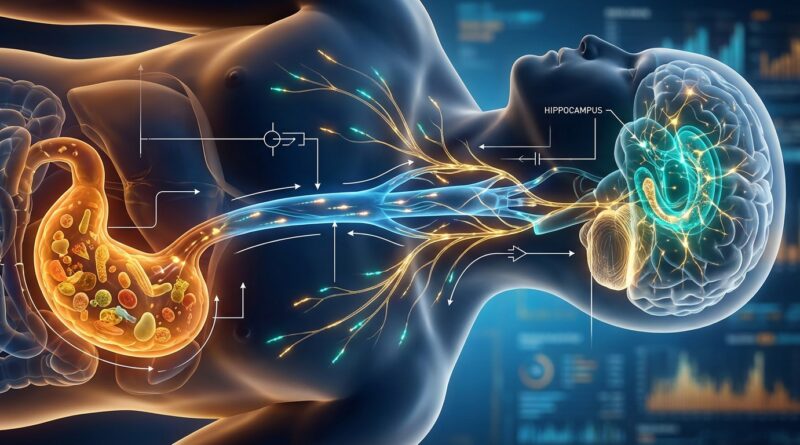
If your memory feels random lately, that is a miserable feeling. You take the supplements. You try to focus. Then lunch happens, and suddenly your brain feels foggy, your motivation drops, and the thing you meant to remember is gone. It is easy to blame your brain and buy another bottle. But a new study points somewhere much less obvious. Your gut may be sending a “store this” or “ignore this” signal through the vagus nerve, and that signal appears to reach the hippocampus, the part of the brain heavily involved in memory. Even more interesting, the study suggests this pathway can tune acetylcholine release, which is one of the key chemical systems tied to attention and memory encoding. That does not mean food is magic. It does mean your meals, your timing, and your nervous system state may matter a lot more than the average brain supplement label would have you believe.
⚡ In a Hurry? Key Takeaways
- New research suggests the gut brain axis, especially the vagus nerve, can influence memory by affecting acetylcholine signaling in the hippocampus.
- A practical move is to stop treating nootropics as isolated pills and start pairing meals with better timing, lighter portions when you need focus, and vagus-friendly habits like slow eating and brief walks.
- This is promising science, not a license to self-treat medical memory problems. If brain fog is severe, new, or getting worse, get checked by a clinician.
Why this study matters more than another supplement launch
The brain supplement world loves a simple story. Low focus? Take this capsule. Poor recall? Add this stack. Afternoon crash? Buy the premium version.
Real life is not that tidy. Plenty of people do everything “right” and still notice that memory and focus depend heavily on what they ate, when they ate it, and how wrecked or calm they felt while eating. This study helps explain why.
The headline finding is that gut-to-brain signals traveling through the vagus nerve can directly affect the hippocampus and tune acetylcholine release. That matters because acetylcholine is deeply tied to attention, learning, and the brain’s ability to encode new information.
Put simply, your body may be deciding whether a meal supports memory or sabotages it.
What the gut brain axis actually means in normal human language
The phrase “gut brain axis” can sound like wellness marketing. Underneath the buzz, the idea is pretty straightforward. Your digestive system and your brain are in constant two-way communication.
One of the main communication lines is the vagus nerve. Think of it as a busy information cable. It carries signals about fullness, digestion, inflammation, stress state, and more. The brain is not working in isolation. It is getting updates from the body all day long.
What this study adds is a sharper point. These gut signals do not just affect mood or appetite in a vague way. They may directly shape whether memory-related brain circuits get the acetylcholine support needed to lock in information.
Why acetylcholine keeps coming up
If you have ever looked at brain supplements, you have probably seen ingredients marketed around choline or acetylcholine support. There is a reason for that. Acetylcholine is involved in attention, alertness, and memory formation.
But this study suggests the story is not only about whether you swallowed a precursor. It may also depend on whether your gut and vagus nerve are creating the right conditions for that memory system to switch on effectively.
That is a big shift in thinking. It moves the conversation from “What ingredient did I take?” to “What state was my body in when I asked my brain to perform?”
Why focus often crashes after meals
This is the part many readers will recognize instantly.
You eat. Then your thinking gets muddy. Your motivation dips. Maybe you feel sleepy, scattered, or weirdly flat. That can happen for lots of reasons, including blood sugar swings, meal size, food composition, poor sleep, stress, and basic circadian timing.
What this new work suggests is that memory performance after meals may also be tied to how gut signals are affecting hippocampal acetylcholine release through the vagus nerve.
That means a heavy, rushed, stressful meal before deep work may be doing more than making you feel sluggish. It may be changing the brain chemistry needed for memory encoding.
On the flip side, a better-timed meal, eaten in a calmer state, may help create a much friendlier setup for learning.
What counts as a “brain supplement” now
Quietly, this study rewrites the definition.
A brain supplement is no longer just a capsule, powder, or drink. It may also be a meal pattern. A pre-work walk. Slower eating. Not stuffing yourself before a meeting. Pairing demanding mental work with the time of day when your digestion and alertness play nicest together.
That does not make classic nootropics useless. It just puts them in context. A supplement taken into a bad system may underperform. A modest stack used inside a good routine may work much better.
This “ecosystem design” approach is less exciting than miracle-marketing. It is also more believable and often cheaper.
How to use this without turning your kitchen into a lab
You do not need to become a biohacker monk. Start with simple experiments.
1. Match your hardest thinking to your best meal window
If you always get sleepy after a large lunch, stop scheduling memory-heavy work right after it. Do reading, writing, studying, or presentations before that meal, or change the meal itself.
For some people, a smaller lunch and a bigger dinner works better for daytime focus. For others, a balanced breakfast helps. The point is to notice patterns instead of forcing productivity through them.
2. Stop eating every “healthy” meal at the wrong size
A meal can be nutritious and still be terrible for focus if it is too large for the moment. Volume matters. So does speed.
If you need to learn, memorize, or stay sharp, try a lighter meal first. Then see whether your recall improves over the next two hours.
3. Eat like your nervous system matters
Because it does.
Rushing a meal while stressed, angry, doomscrolling, or answering emails is not just unpleasant. It may change digestion and vagal signaling in ways that make your whole system less cooperative.
Try slower eating, a few calm breaths before the meal, and chewing properly. Yes, it sounds boring. Boring is often where useful physiology lives.
4. Use movement as part of the stack
A short walk after meals can help many people feel more clear-headed. It may support better glucose handling, reduce that heavy post-meal slump, and help your body transition without the same crash.
Again, not magic. Just smart support.
5. Pair supplements with context, not hope
If you use choline-supporting nootropics or focus aids, test them with and without a large meal. Test them in a calm setting versus a rushed one. A lot of people are shocked to learn that the “supplement effect” changes dramatically based on digestion and meal timing.
What this means for aging memory
This finding is especially interesting for older adults, or for anyone who feels their recall has become less reliable with age. If the vagus nerve helps carry signals that shape memory chemistry, then preserving that gut-brain link may be more important than people realized.
That is part of why related work on vagal signaling has been getting attention. If you want a deeper look at that angle, The Gut–Brain ‘Broken Link’: How Vagus Nerve Stimulation Became the Surprise Breakthrough for Aging Memory does a good job of showing why this area has started to matter far beyond digestion.
What this study does not mean
Let’s keep our feet on the ground.
This does not mean every memory problem is caused by your stomach. It does not mean supplements are pointless. It does not mean one “perfect” food unlocks genius.
It means the gut brain axis vagus nerve memory acetylcholine connection looks more direct and practical than many people assumed. That is useful, but it is not a cure-all.
If you have major memory decline, confusion, fainting, severe fatigue after eating, gut symptoms, or dramatic blood sugar swings, that is doctor territory. Do not try to out-supplement a real medical issue.
A simple starter plan for the next 7 days
If you want to turn this study into something useful, try this:
- Pick one daily task that needs memory or concentration.
- For seven days, note what you ate before it, how much, how fast, and how you felt after.
- On at least three of those days, eat a smaller, calmer meal before the task.
- Take a 10-minute walk after eating.
- If you use nootropics, keep the dose the same and only change meal timing or meal size.
By the end of the week, you may learn more from that little experiment than from six more supplement reviews.
At a Glance: Comparison
| Feature/Aspect | Details | Verdict |
|---|---|---|
| Old “brain supplement” model | Treats memory and focus as mainly an ingredient problem, often ignoring meals, digestion, stress, and timing. | Too narrow for many real-world focus problems. |
| New gut-brain axis view | Signals from the gut, carried by the vagus nerve, may help tune hippocampal acetylcholine release and memory encoding. | Much more useful for daily routines and meal planning. |
| Best practical strategy | Use food timing, calmer eating, lighter meals before deep work, movement after meals, and smart supplement pairing. | Most sustainable and usually the best value. |
Conclusion
This is the quiet kind of study that can save people a lot of money and frustration. If signals traveling from the gut to the hippocampus can directly tune acetylcholine release, then some meals really can become a memory-encoding event instead of just another calorie hit. That gives you something useful to do right now. You can test food timing. You can stop asking your brain to perform right after a meal that always knocks you flat. You can build vagus-nerve-friendly habits into your day and use supplements as part of a system instead of treating them like a rescue button. In a market full of louder and louder capsules, that is refreshingly practical. Better still, it reframes nootropics as ecosystem design, not ingredient collecting. That means less burnout, less wasted money, and a cognitive routine you can actually stick with.