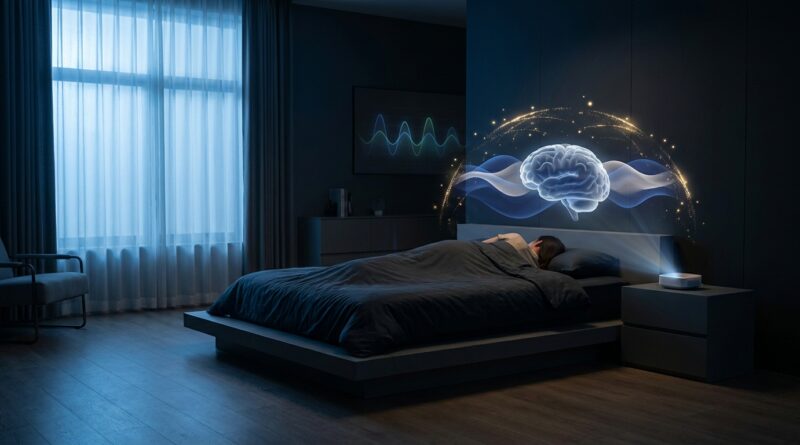
The Deep Sleep Nootropic: How Targeting One Nightly Brain Wave Pattern Just Became 2026’s Smartest Cognitive Upgrade
You know the routine. You buy the “clean” focus supplement, maybe add magnesium, maybe try a mushroom blend, and for a week or two you feel hopeful. Then 2:30 p.m. hits, your brain goes foggy, and names, tasks, and half-finished thoughts start slipping through the cracks again. That is frustrating, especially when you are doing what feels like all the right things. The uncomfortable truth is that many people are trying to upgrade daytime brainpower while ignoring the nightly repair cycle that makes that brainpower possible in the first place.
That is why the latest sleep research matters. In the last 24 hours, scientists reported that certain deep sleep brain waves, especially slow-wave activity, may help protect the brain against orexin-linked Alzheimer’s risk and cognitive decline. In plain English, deep sleep is not just “rest.” It looks more like overnight brain maintenance. If your deep sleep is weak, the fanciest nootropic stack in the world may be trying to build on a shaky foundation.
⚡ In a Hurry? Key Takeaways
- Deep sleep brain waves may play a real role in protecting memory and lowering risk tied to cognitive decline, making sleep quality a better “nootropic” target than another random capsule.
- Start with a simple nighttime stack: consistent sleep time, cooler bedroom, late caffeine cutoff, dim light at night, and wearable-based tracking of deep sleep trends.
- If you snore heavily, wake gasping, or feel exhausted despite enough time in bed, get checked for sleep apnea before spending more money on brain supplements.
Why this changes the nootropics conversation
Most nootropics aim to push the brain harder. More alertness. More motivation. More neurotransmitter activity. That can help, at least short term.
But this new angle is different. It asks a simpler question. What if the real upgrade happens when your brain is off duty?
The focus of the new interest is deep sleep brain waves, especially slow waves. These are the large, steady electrical patterns that show up during the deepest stages of non-REM sleep. Researchers now think they may do more than help you feel rested. They may support memory consolidation, reduce next-day mental wear and tear, and buffer the brain against orexin-linked processes tied to Alzheimer’s risk and cognitive decline.
That makes the phrase deep sleep brain waves cognitive decline nootropic sound a lot less like clickbait and a lot more like where the smartest part of the brain-health market is headed.
What are orexin and slow-wave sleep, in normal-person language?
Orexin is your brain’s “stay awake” signal
Orexin, also called hypocretin, is a neurochemical that helps regulate wakefulness, arousal, and alertness. It is useful. You want it doing its job during the day.
The problem is balance. If your brain stays too “on,” especially over time, you may get a lot of light, broken sleep and not enough of the deep slow-wave sleep that does the heavy lifting for recovery.
Slow-wave sleep is the overnight repair crew
During deep sleep, the brain shifts into these slower, more synchronized wave patterns. This is the phase linked with physical recovery, memory processing, and the cleanup work many neuroscientists now think is important for long-term brain health.
If you have ever slept eight hours and still felt mentally wrung out, there is a decent chance the issue was not just quantity. It was quality. You were asleep, but not getting enough of the right kind.
Why deep sleep may beat flashy daytime stacks
This is the part supplement companies do not love hearing. A lot of “brain boosters” work best on a brain that is already recovering well.
If deep sleep is weak, your attention, emotional control, recall, and learning all start from a deficit. That means the expensive daytime stack may feel inconsistent because it is trying to compensate for a nighttime problem.
We covered a similar idea in The Glymphatic Reset: How Deep Sleep Is Quietly Outperforming Most ‘Smart Drugs’ For Long-Term Brain Health. The short version is simple. Before you try to squeeze more performance from your brain, make sure your brain is actually getting the nightly maintenance window it depends on.
What this means for your memory, focus, and future risk
The new finding matters for two reasons.
First, it gives people a more practical target. You cannot feel your orexin levels at home. You can, however, work on the behaviors and environment that improve deep sleep.
Second, it reframes sleep from passive downtime into active cognitive resilience. That is a big shift. It means a better night of sleep is not just about feeling less groggy tomorrow. It may be part of protecting your brain years from now.
That is especially important if you have been noticing the subtle stuff. More word-finding trouble. More afternoon crashes. More of that “why did I walk into this room?” feeling. None of that means something terrible is happening. But it can be a sign your recovery systems need help.
Your practical nighttime “stack” for deeper slow-wave sleep
You do not need a lab. You need a repeatable system.
1. Set a real caffeine cutoff
For most people, that means no caffeine after noon or 1 p.m. if sleep is a struggle. If you are sensitive, even earlier may help.
The annoying thing about caffeine is that you can “fall asleep fine” and still lose deep sleep quality. That is a bad trade if brain recovery is your goal.
2. Cool the room down
Deep sleep likes a cooler environment. For many people, somewhere around 60 to 67°F works well, though comfort matters. If you sleep hot, try lighter bedding or a fan before buying another supplement.
3. Dim light hard, 60 to 90 minutes before bed
Bright overhead light and doom-scrolling tell your brain to stay alert. Use warmer lamps, lower screen brightness, and stop treating bedtime like one last work shift.
4. Keep sleep and wake times boringly consistent
Not glamorous. Very effective. Your brain likes rhythm. A stable schedule helps it spend less effort figuring out when to sleep and more effort doing sleep well.
5. Watch alcohol timing
Alcohol can make you feel sleepy at first, but it often fragments sleep later and can cut into the deep, restorative stages you are trying to protect.
6. Try magnesium carefully, if it suits you
Magnesium glycinate is a common choice for people who want a gentle nighttime supplement. It is not magic, and it does not fix bad habits, but some people find it helps them settle down. If you have kidney disease, take medications that interact, or have any medical concerns, ask your clinician first.
7. Track trends, not single nights
Wearables are not perfect at staging sleep, but they are useful for patterns. If your device shows deep sleep rising when you cut late caffeine and keep a stable bedtime, that is useful feedback.
Do not obsess over one ugly night. Look at two to three weeks at a time.
What to buy, and what to skip for now
If your goal is better deep sleep brain waves, spend money in this order.
Worth it
Blackout curtains. A fan. Comfortable bedding. A simple sleep mask. Maybe a wearable if you will actually use the data. Possibly magnesium, depending on your situation.
Probably not first-line
Exotic nootropic stacks marketed as “night repair formulas” with 14 ingredients and vague claims about neuroplasticity. If your room is too warm, your bedtime is all over the place, and you are drinking coffee at 4 p.m., those formulas are not the best place to start.
When poor deep sleep is a medical issue, not a lifestyle issue
This part matters. If you snore loudly, stop breathing in sleep, wake up choking, have morning headaches, or feel profoundly tired despite enough hours in bed, consider sleep apnea or another sleep disorder.
That is not something a nootropic should be covering up.
Also pay attention to restless legs, severe anxiety, chronic pain, and medication side effects. Any of those can kneecap deep sleep. If the basics are dialed in and you still feel awful, it is worth getting proper help.
How to test this for yourself in the next 14 days
Here is a simple experiment.
Days 1 to 3
Do nothing different. Just track bedtime, wake time, caffeine timing, alcohol, and how sharp you feel from 2 to 5 p.m.
Days 4 to 14
Pick five rules:
- Same bedtime within 30 minutes
- No caffeine after noon
- Cool, dark room
- No alcohol within 3 hours of bed
- Low light and no stressful work for the last hour before sleep
Then track three things:
- Deep sleep trend on your wearable, if you have one
- Afternoon focus
- How often you forget small things or lose your train of thought
If those improve, you have probably found a better return on investment than yet another bottle of “genius capsules.”
At a Glance: Comparison
| Feature/Aspect | Details | Verdict |
|---|---|---|
| Deep sleep brain waves | Linked to memory processing, recovery, and possible buffering against orexin-related cognitive decline risk | Best foundation to improve first |
| Daytime stimulant-style nootropics | Can boost alertness short term, but often work less reliably when deep sleep is poor | Helpful second step, not the base layer |
| Trackable sleep habits | Consistent schedule, caffeine cutoff, cooler room, low evening light, and wearable trend tracking | Most practical starting plan for most people |
Conclusion
The big takeaway is not that supplements are useless. It is that many people are asking daytime products to solve a nighttime failure. In the last 24 hours, researchers reported that certain deep sleep brain waves appear to buffer the brain against orexin-linked Alzheimer’s risk and cognitive decline. That turns quality sleep into something much more active than “rest.” It looks more like a built-in resilience system for focus, memory, and long-term brain health. Right now, that matters because the nootropics world is packed with flashy stacks while a lot of us are quietly running a deep-sleep deficit that blunts the benefits of almost everything else we take. The smarter move for 2026 may be boring on the surface, but powerful where it counts. Build a simple, trackable nighttime stack first. Then let your daytime brain run on a foundation that actually got repaired overnight.