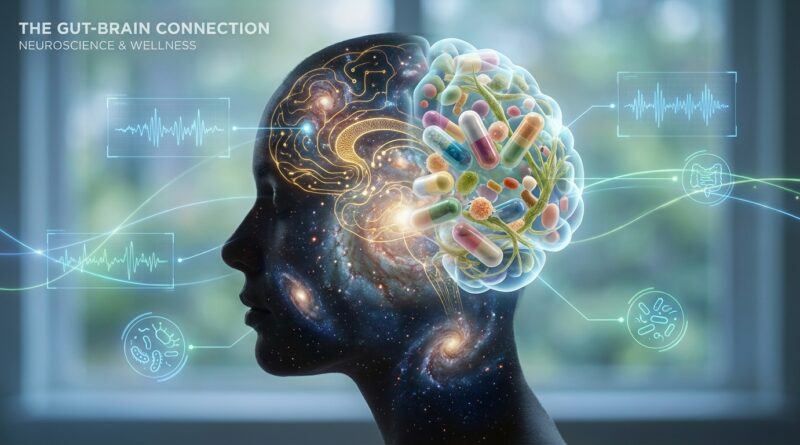
The Psychobiotic Brain Stack: How ‘Mood-First’ Probiotics Are Quietly Beating Classic Nootropics For Daily Focus
If you are tired of “focus” supplements that feel great for two hours and then leave you jittery, moody, or oddly flat, you are not imagining it. A lot of classic nootropics and caffeine-heavy stacks work like a quick pep talk for your brain. They can push alertness, but they do not always build the kind of calm, steady focus people actually want for real life. That is why more attention is shifting to psychobiotics for focus and cognitive performance. These are specific probiotic strains, often paired with fiber-rich foods, that aim to support the gut-brain axis first. The idea is simple. If your stress response, mood, sleep, and inflammation are better regulated, your attention often gets better too. It is less “borrow energy from tomorrow” and more “help your brain run smoother today, and maybe protect it over time.”
⚡ In a Hurry? Key Takeaways
- Psychobiotics for focus and cognitive performance may help by improving mood stability, stress response, and gut-brain signaling, not by acting like a stimulant.
- Start with basics first. Add more fiber, eat fermented foods if they agree with you, and look for strain-specific probiotic products with human data.
- These are not overnight miracle pills. They tend to work more slowly, and people with immune issues or serious digestive conditions should check with a clinician first.
Why people are drifting away from classic nootropics
The old pitch was easy to sell. More energy. More drive. More productivity. Just add caffeine, a few trendy compounds, maybe a “brain blend” with a long ingredient list and a sleek label.
Then real life happens.
Some people feel dialed in at first, then overstimulated. Others sleep worse, get afternoon crashes, or feel mentally noisy instead of clear. And if your baseline mood is stressed, anxious, or low, pushing the gas pedal harder does not always fix the engine.
That is the gap psychobiotics are starting to fill. They are not trying to force focus. They are trying to create the internal conditions where focus is easier.
What psychobiotics actually are
Psychobiotics are probiotics, and sometimes prebiotics, studied for effects on mood, stress, and brain function through the gut-brain axis. That means they may affect the nervous system through immune signaling, inflammation, gut barrier health, short-chain fatty acids, and even neurotransmitter-related pathways.
In plain English, your gut is not just about digestion. It is part of your stress and focus system too.
Why “mood-first” can lead to better focus
A distracted brain is often not underpowered. It is overloaded.
If you are tense, keyed up, poorly rested, inflamed, or riding blood sugar swings, your concentration usually suffers. So when a gut-focused approach helps smooth mood and stress, attention can improve as a side effect. In many people, that feels better than the “buzz now, pay later” pattern of stimulant-heavy stacks.
If you want a deeper intro to this shift, From Mood Bugs to Focus Fuel: The New Class of ‘Psychobiotic’ Nootropics That Quiet Anxiety And Sharpen Thinking lays out why this category is getting so much interest.
Why this matters right now
The supplement aisle is packed with copy-paste nootropic formulas. A little caffeine. A little L-theanine. A few herbs. A few flashy claims. Many are not terrible, but a lot of them are chasing the same short-term effect.
Meanwhile, some of the more interesting human research is coming from gut-brain axis trials. This includes work on probiotic strains and fiber-rich dietary patterns linked with changes in mood, processing speed, and cognitive measures, especially in older adults and people with mild cognitive impairment.
That is a big deal. It suggests that better cognitive performance may not always start with a stronger stimulant. Sometimes it starts with a healthier gut environment and steadier brain signaling.
What the research is hinting at
It is important to keep this realistic. Psychobiotics are not magic. The science is still developing, and not every probiotic on a store shelf qualifies. Effects depend on the strain, the dose, the person, and how long they take it.
Still, the pattern is promising.
1. Mood stability can improve first
Some psychobiotic strains appear to help with perceived stress, anxious feelings, or low mood in certain groups. That matters because better emotional regulation often shows up as clearer thinking in daily life.
2. Processing speed and cognitive scores may improve
In some human studies, especially among older adults or people with mild cognitive changes, gut-focused interventions have been linked with better cognitive performance scores. That does not mean a young healthy person will suddenly turn into a chess grandmaster. It does mean the gut-brain link looks more practical and less fringe than it did a few years ago.
3. Fiber may be part of the real “stack”
This is the part supplement marketing often skips. Many of the benefits may depend on feeding helpful gut microbes, not just swallowing them. Prebiotic fibers and plant-rich diets help produce short-chain fatty acids and other compounds that support the gut lining, immune balance, and brain-related signaling.
So the real brain stack might be less exciting on Instagram. More beans, oats, yogurt, kefir, kimchi, berries, nuts, and actual sleep. Not sexy. Very useful.
Psychobiotics vs classic nootropics
Classic nootropics often aim for immediate effect
That can be helpful. There is nothing wrong with wanting a sharper morning. Caffeine, L-theanine, creatine, and some well-studied compounds can absolutely have a place.
But immediate does not always mean sustainable.
Psychobiotics tend to be slower, but steadier
They usually work over days to weeks, sometimes longer. The goal is not a dramatic jolt. It is a gradual shift in baseline. Less stress reactivity. Better digestive comfort. More stable mood. Potentially smoother focus.
That makes them less exciting as a one-day hack, and more interesting as a daily foundation.
How to try a mood-first brain stack without wasting money
You do not need to buy five products at once. Start simple.
Start with food before fancy formulas
Aim for more fiber from real foods. Think oats, legumes, fruit, vegetables, seeds, and whole grains. If fermented foods work well for you, add small regular servings like yogurt, kefir, sauerkraut, or kimchi.
For many people, this is the most practical first move.
Choose strain-specific probiotics
“Contains probiotics” is not enough. Look for products that list exact strains and doses, not just vague species names. Human research is strain-specific. One strain may help stress or mood. Another may do very little.
Give it enough time
Expect weeks, not hours. If you are looking for psychobiotics for focus and cognitive performance, judge them by your weekly trend. Ask yourself:
- Am I less mentally frazzled?
- Do I crash less in the afternoon?
- Is my focus steadier, even if it is not “amped up”?
- Is my mood more even?
Keep the rest of the stack boring and solid
Sleep. Protein. Hydration. Light exercise. Lowering late-day caffeine. Those habits make any gut-brain strategy work better.
Who may benefit most
This approach may be especially interesting for people who:
- Feel overstimulated by caffeine or classic nootropics
- Struggle with stress-linked brain fog
- Notice their focus gets worse when their digestion is off
- Want long-term brain support, not just a fast buzz
- Are more interested in resilience than hype
Who should be careful
Probiotics are often well tolerated, but they are not for everyone.
If you are severely immunocompromised, have a serious GI condition, are recovering from major illness, or are dealing with a complicated medical picture, check with a clinician first. Also, if a product makes you more bloated or uncomfortable, stop and reassess. More is not always better.
At a Glance: Comparison
| Feature/Aspect | Details | Verdict |
|---|---|---|
| Speed of effect | Classic nootropics and caffeine can work within hours. Psychobiotics usually take days to weeks and depend on consistent use. | Fast buzz vs slow build. Pick based on your goal. |
| How focus improves | Stimulant-style stacks push alertness. Psychobiotics may improve focus indirectly by supporting mood, stress regulation, and gut-brain signaling. | Mood-first may feel calmer and more sustainable. |
| Long-term value | Gut-focused approaches line up with broader health habits like fiber intake, better digestion, and possible support for healthy cognitive aging. | Better fit for people who want steady gains, not just a temporary lift. |
Conclusion
The most interesting shift in brain supplements right now may not be a stronger stimulant. It may be a quieter idea. Support mood first, support the gut, and let focus improve from there. That matters because the nootropics market is crowded with lookalike formulas, while some of the more compelling human data is coming from gut-brain axis research, including psychobiotic strains and fiber-rich eating patterns tied to better mood stability, processing speed, and cognitive scores in older adults and people with mild cognitive impairment. That does not mean everyone should toss their coffee and buy a probiotic tomorrow. It does mean there is a practical, lower-drama path worth trying. Start with your gut. Feed it well. Be patient. The best brain upgrade may be the one that compounds slowly and actually lasts.