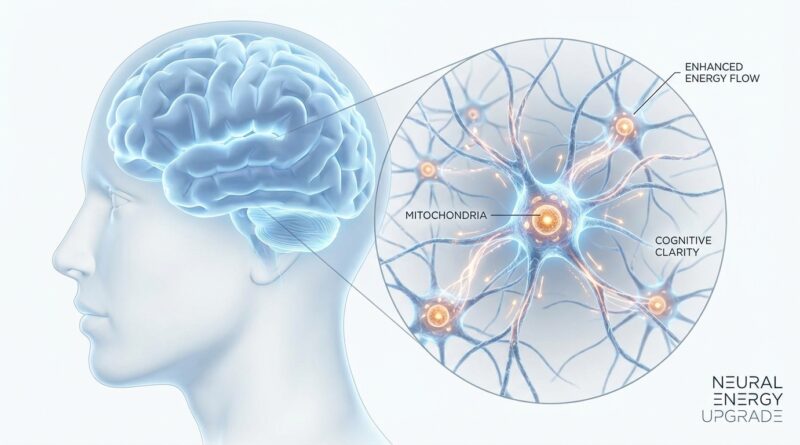
The New ‘Mito Brain Stack’: Why Mitochondrial Nootropics Are The Quiet Breakthrough In Focus And Mental Stamina
You know the feeling. Lunch is over, your inbox is still growing, and your brain suddenly starts acting like it is running on low battery. Not sleepy exactly. Just slow. Words take longer to find. Decisions feel heavier. And it gets even more frustrating when you have already done the “healthy” stuff. You cleaned up your diet. You tried caffeine, L-theanine, racetams, mushroom blends, maybe half the internet’s favorite focus stack. Still, by mid-afternoon, your thinking feels like it is pushing through mud. That is where mitochondrial nootropics for focus and cognitive performance come in. Instead of trying to whip your brain into action with more stimulation, this approach asks a simpler question. What if your neurons are short on cellular energy? If that is the bottleneck, supporting the tiny power plants inside your cells may do more for mental stamina than another hit of dopamine-chasing supplements.
⚡ In a Hurry? Key Takeaways
- Mitochondrial nootropics aim to improve focus by helping brain cells make and use energy more efficiently, not just by boosting stimulation.
- A practical low-risk starting stack is often CoQ10, acetyl-L-carnitine, magnesium, creatine, and protein-rich nutrition with steady blood sugar support.
- Be careful with trendier tools like NMN, NR, and peptides. The research is interesting, but human evidence, dosing, and long-term safety are still uneven.
Why your brain can feel “offline” even when you are doing everything right
Most nootropic advice is built around neurotransmitters. More dopamine. More acetylcholine. Better serotonin balance. That can help, up to a point.
But none of those signals work well if the cell itself is struggling to produce energy.
Your brain is expensive tissue. It burns a huge amount of fuel for its size. Every thought, memory, and task switch depends on ATP, the basic energy currency your cells make inside mitochondria. When mitochondrial function is under strain, the result can feel less like classic fatigue and more like mental drag. You are awake, but not sharp. Motivated, but not fast.
That is why people who keep adding stimulants often hit a wall. They are stepping harder on the gas when the engine is low on fuel.
What “mitochondrial nootropics” actually means
This is not one magic pill. It is more like a category of tools that support cellular energy production, oxidative stress defense, and metabolic flexibility.
In plain English, mitochondrial nootropics for focus and cognitive performance try to help brain cells:
- make ATP more efficiently
- protect themselves from oxidative stress
- use fats and glucose more smoothly
- recover better from stress, poor sleep, and inflammation
That makes this approach especially interesting for people whose main complaint is mental stamina, not just “I need a quick buzz.”
Why this topic is suddenly getting so much attention
The last few weeks have brought a strange but telling pattern. Several different corners of cognitive health research are pointing back to mitochondrial function.
Clinical-stage mitochondrial drugs are showing cognitive spillover
Some drugs originally built for mitochondrial disease are showing unexpected improvements in cognition or fatigue-related symptoms. That does not mean they are ready to become mainstream brain boosters. It does mean energy metabolism is becoming harder to ignore.
Combination metabolic activators are doing better than many people expected
Human studies on combination metabolic activators, usually mixes that include compounds like L-carnitine, serine, NAC, and nicotinamide-related ingredients, have shown improvements in mental performance and fatigue in some groups. These are not miracle results. But they are practical and more grounded than a lot of flashy nootropic marketing.
NAD+ science is getting more interesting and more complicated
NAD+ restoration has become one of the hottest ideas in brain aging research. In animal work, raising NAD+ availability has reversed cognitive deficits even in advanced Alzheimer’s models. That is the exciting part.
The less exciting part is that this does not automatically validate every over-the-counter NMN or NR product. Delivery, tissue targeting, dose, and actual brain effects are still open questions. So this is one of those areas where the headline sounds simple, but the reality is not.
Biohackers are moving away from “more stimulation”
Quietly, many experienced self-experimenters are shifting toward mitochondrial resilience. Not because it sounds futuristic, but because they have learned the hard way that constant stimulation often stops working. If that sounds familiar, you might also like From Pills to Peptides: Why Fast-Acting Brain Peptides Are the New Frontier in Nootropics, which gets into what people try when standard stacks lose their punch.
The core tools people are using now
Let’s sort the current “mito brain stack” into plain categories, from lower-risk basics to more experimental options.
1. CoQ10, the workhorse energy-support compound
CoQ10 helps shuttle electrons inside mitochondria so cells can make ATP. It also acts as an antioxidant. That makes it one of the more sensible first-line options for mental stamina, especially for older adults, people under heavy stress, or anyone taking statins, which can lower CoQ10 levels.
For brain support, ubiquinol is often marketed as the better-absorbed form, though both forms have a place. This is not a stimulant. You are not likely to “feel” it on day one. Think of it as support for steadier output over time.
2. Acetyl-L-carnitine, for fuel transport and mental energy
Acetyl-L-carnitine, often called ALCAR, helps move fatty acids into mitochondria where they can be burned for energy. The acetyl form also crosses into the brain more easily than plain carnitine.
Some people notice better mental energy, task initiation, or reduced cognitive fatigue with ALCAR. Others find it a little too activating. So this is one to start low with, especially if you are prone to anxiety.
3. Creatine, yes, for your brain too
Creatine is usually seen as a gym supplement, but your brain also uses it as an energy buffer. It helps recycle ATP quickly, which matters during mentally demanding tasks.
This is one of the most underappreciated options for cognitive performance, especially in vegetarians, vegans, sleep-deprived people, and anyone under heavy cognitive load. It is boring. That is part of the appeal. Boring often means well-studied.
4. Magnesium, because stressed brains burn through basics
Magnesium is involved in hundreds of enzyme reactions, including energy production and nervous system regulation. A lot of people chasing exotic nootropics are missing basic mineral support.
If your “brain fog” comes with tension, poor sleep, irritability, or headaches, magnesium may be doing more important work than the shinier supplements in your cabinet.
5. Targeted amino acids and metabolic support nutrients
This is where things get more customized. Depending on diet and stress load, some people do well with support compounds like:
- N-acetylcysteine for oxidative stress and glutathione support
- serine or glycine in metabolic activation formulas
- taurine for cellular resilience and nervous system support
- adequate dietary protein to maintain neurotransmitter and mitochondrial function
This is less sexy than “brain hacking,” but it is often the layer that makes the rest of the stack work.
6. MOTS-C and other peptide-adjacent tools
MOTS-C has become popular in some performance and biohacker circles because it is tied to mitochondrial signaling and metabolic adaptation. Very interesting. Also still far from everyday mainstream use.
It sits in that same bucket as many newer peptides. Promising, fast-moving, and not something I would put in a low-risk beginner protocol without medical supervision and realistic expectations.
What about NMN and NR?
This is where people tend to get overconfident.
NMN and NR are popular because they are marketed as ways to raise NAD+, which matters for mitochondrial health, DNA repair, and cellular stress responses. The theory is solid enough to deserve attention. But the consumer supplement story is much messier.
Here is the grounded version:
- NAD+ biology matters
- animal data can be impressive
- human outcomes are still mixed and context-dependent
- not every NAD+ precursor supplement reliably translates into meaningful brain benefits
So if you are looking for mitochondrial nootropics for focus and cognitive performance, I would not start here unless you have already handled the basics. Too many people jump to expensive NAD+ products before fixing sleep, protein intake, blood sugar swings, and foundational nutrient support.
A practical, low-risk “mito brain stack” for everyday use
If you want a sensible place to start, keep it simple. The goal is not to build the fanciest stack. The goal is to remove the most obvious energy bottlenecks.
Step 1. Fix the non-supplement basics first
- Eat enough protein, especially earlier in the day
- Avoid big blood sugar spikes followed by crashes
- Get daylight and some movement in the morning
- Do not use caffeine as a substitute for sleep debt
- Check iron, B12, vitamin D, thyroid status, and sleep quality if fatigue is persistent
This is not boring housekeeping. It is mitochondrial support.
Step 2. Build a simple starter stack
A conservative daily protocol could look like this:
- CoQ10, often 100 to 200 mg with food
- Creatine monohydrate, often 3 to 5 g daily
- Magnesium glycinate or threonate, depending on tolerance and goals
- Acetyl-L-carnitine, started low, often 250 to 500 mg earlier in the day
You do not need all of these at once. In fact, it is better if you do not. Add one at a time and give it a week or two unless you react badly.
Step 3. Consider “activator” add-ons only if the basics help
If the starter approach gives you steadier mental energy, then it may make sense to test more advanced options like NAC or a carefully chosen metabolic activator formula. That way you know what is actually helping.
How to tell if this approach fits you
You are more likely to benefit from a mitochondrial angle if your pattern looks like this:
- good motivation, poor stamina
- sharp in the morning, muddy by afternoon
- stimulants help briefly, then make you feel more wrung out
- brain fog gets worse with poor sleep, stress, illness, or overtraining
- you feel mentally tired more than emotionally flat
That does not prove mitochondrial dysfunction. It just means “cellular energy support” is a reasonable place to test before buying your tenth stimulant blend.
Important safety notes people skip
This area attracts a lot of enthusiastic self-experimenters, which is fine until people start acting like every metabolic compound is harmless because it sounds natural.
Start low and separate changes
If you add five things at once, you learn nothing. One new variable at a time is slower, but smarter.
Watch for activation, not just side effects
Some mitochondrial support compounds can feel subtly stimulating. If you are wired, anxious, or insomnia-prone, earlier dosing matters.
Do not assume fatigue equals low cellular fuel
Brain fog can come from sleep apnea, anemia, depression, long COVID, thyroid issues, medication side effects, blood sugar problems, and about twenty other things. If your symptoms are persistent, get checked.
Peptides and research chemicals are not beginner tools
MOTS-C and similar compounds are interesting, but “interesting” is not the same as “well established.” Keep your risk tolerance honest.
At a Glance: Comparison
| Feature/Aspect | Details | Verdict |
|---|---|---|
| Classic stimulant stack | Works fast, can sharpen alertness, but often fades by afternoon and may worsen the “borrowed energy” feeling. | Useful for short bursts, not ideal as the whole plan. |
| Foundational mitochondrial stack | CoQ10, creatine, magnesium, ALCAR, and better nutrition aim to improve steadier cellular energy over time. | Best low-risk place to start for mental stamina. |
| Advanced NAD+ and peptide tools | Includes NMN, NR, MOTS-C, and other experimental approaches with exciting but uneven evidence. | Promising, but better for informed users after basics are covered. |
Conclusion
If your brain keeps fading out long before your day is over, the answer may not be “find a stronger focus supplement.” It may be “support the power system first.” That is why mitochondrial nootropics for focus and cognitive performance are getting so much attention right now. Clinical-stage mitochondrial drugs are unexpectedly showing cognitive benefits. Combination metabolic activators are improving mental performance in human studies. NAD+ restoration experiments in advanced Alzheimer’s mice are producing eye-catching results while also reminding us not to treat every NMN or NR product like proven brain medicine. Meanwhile, the smarter end of the biohacker world is moving away from endless stimulation and toward better mitochondrial resilience with tools like CoQ10, MOTS-C, and targeted amino acids. The good news is you do not need to jump straight into the deep end. A simple, low-risk protocol built around energy support, nutrition, sleep, and careful testing can be a much better next step than another mystery blend in a shiny bottle.