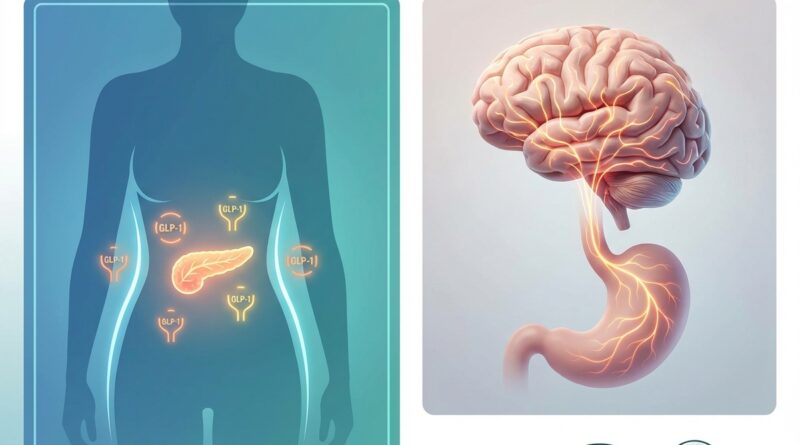
Brainergy 2.0: How ‘GLP‑1 Companion’ Nootropics Could Turn Weight‑Loss Drugs Into Unexpected Focus Boosters
You can lose weight on a GLP-1 drug and still feel like your brain is running on low battery. That is the part people do not always say out loud. They may be thrilled with the scale, but then 3 PM hits and they feel flat, distracted, or oddly unmotivated. It is frustrating, especially when these drugs are also being studied for possible brain-protective benefits. So why does your long-term brain story sound promising while your short-term focus still feels off?
The short answer is that weight-loss medication and day-to-day brain energy are not the same thing. GLP-1 drugs can reduce appetite and improve blood sugar control, but they can also lead to lower calorie intake, lower protein intake, dehydration, nausea, and nutrient gaps. Any of those can make concentration worse. That is where the idea of GLP-1 companion nootropics for brain energy and focus comes in. Not magic pills. More like smart nutritional support aimed at the weak spots these meds can expose, while keeping safety front and center.
⚡ In a Hurry? Key Takeaways
- GLP-1 drugs may help long-term metabolic and brain health, but they do not automatically give you better daily focus or mental energy.
- Start with basics first. Protein, fluids, electrolytes, sleep, and checking for nutrient gaps often matter more than trendy “brain booster” stacks.
- If you want a companion nootropic, choose simple, evidence-based options and run them by your clinician, especially if you are eating much less or taking other meds.
Why this is happening
Think of your brain like a very picky engine. It does not care that your app says you are in a calorie deficit. It wants steady fuel, enough amino acids, enough hydration, and a decent amount of micronutrients to make neurotransmitters and keep your energy systems working.
GLP-1 medications can help in a lot of ways. They can lower appetite, help with blood sugar swings, and reduce the mental noise around food for some people. But that same appetite drop can create new problems if eating becomes too little, too random, or too low in protein.
That is often where the “why am I losing weight but still feel mentally blah?” question starts.
What GLP-1 drugs may help, and what they may not
The good news
Researchers are interested in GLP-1 drugs because metabolism and brain health are closely linked. Better insulin sensitivity and lower inflammation may help the brain over time. There is a real reason scientists are paying attention.
The reality check
Possible long-term protection is not the same as feeling sharp this afternoon. Day-to-day focus depends on sleep, stress, blood sugar stability, muscle mass, nutrient intake, hydration, and how well your body is adapting to the medication.
So yes, a person can be on a medication with exciting brain-health headlines and still feel foggy after lunch.
What “GLP-1 companion nootropics” actually means
This phrase can sound more exotic than it really is. In plain English, it means supplements or nutritional compounds chosen to support brain energy and focus in people whose eating patterns and energy intake have changed on GLP-1 therapy.
The best options are not usually the flashy ones from social media. They are the ones that solve common bottlenecks.
The most common bottlenecks behind brain fog on GLP-1s
1. Not eating enough overall
If your calories drop hard, your brain notices. Some people are accidentally under-eating by a lot because they simply are not hungry. Weight loss happens, sure. But so can sluggish thinking, low motivation, and poor stamina.
2. Not getting enough protein
Protein is not just for muscles. It also provides amino acids your body uses to build brain chemicals involved in alertness and mood. If your meals have become tiny and carb-only, your focus can suffer.
3. Dehydration and low electrolytes
This one is boring, but it matters. People on GLP-1s may drink less, eat less, and sometimes deal with nausea or digestive issues. Mild dehydration alone can make you feel headachy, tired, and mentally slow.
4. Low iron, B vitamins, or other nutrient gaps
You do not need a giant deficiency for your energy to dip. Even borderline issues can make you feel off. If your appetite has shrunk for months, this becomes a more important conversation.
5. Blood sugar dips or uneven meals
GLP-1 drugs often improve blood sugar control, but if your eating becomes too sparse or erratic, you may still feel shaky, tired, or foggy at certain times of day.
Brainergy 2.0. The sensible version
If there is a “version 2.0” here, it is not about taking more stuff. It is about matching support to the reality of life on these meds.
A sensible GLP-1 companion nootropic plan usually starts in this order:
- Fix hydration
- Fix protein intake
- Fix meal timing
- Check for nutrient gaps
- Then consider one or two focused nootropic ingredients
That order matters. A fancy capsule cannot do much if you are running on half a sandwich and two sips of water.
Companion nootropics worth discussing with your clinician
Protein or essential amino acid support
This is not usually marketed as a nootropic, but honestly, it should be part of the conversation. If appetite is low, a protein shake or well-tolerated protein-rich snack can do more for mental steadiness than many “focus” blends.
Best for: people who are eating very little, skipping meals, or losing muscle along with fat.
Electrolytes
Again, not glamorous. Still useful. If you feel drained, headachy, or mentally dull, especially while eating less, this is a basic support step many people miss.
Best for: low fluid intake, nausea, hot weather, workouts, or afternoon crashes.
B-complex or targeted B12 support
B vitamins help with energy metabolism and nervous system function. Not everyone needs them, but some people do, especially if food intake is down or lab work shows an issue.
Best for: people with low intake, fatigue, or known low levels.
Choline
Choline helps support acetylcholine, a brain chemical involved in attention and memory. Some people do not get enough from food, especially if their diet has narrowed.
Best for: people whose meals have become small and repetitive, with low egg, fish, or meat intake.
L-tyrosine
This amino acid is often used to support focus during stress or mental fatigue. It is not for everyone, and it is not a substitute for eating enough, but it is one of the more logical “companion” options when low energy and low drive are the issue.
Best for: occasional mental fatigue, especially under stress. Use with clinician input if you have thyroid issues, high blood pressure, or take certain medications.
Creatine
Creatine is usually framed as a gym supplement, but it also helps with cellular energy, including in the brain. It may be especially interesting when food intake is reduced. It is simple, affordable, and generally well studied.
Best for: people wanting support for both muscle preservation and mental energy.
Caffeine plus L-theanine
If you tolerate caffeine, this combo can help smooth out the jittery edge while supporting alertness. But this is not the first move if your crash is really from under-fueling or dehydration.
Best for: people who need light focus support and already know caffeine agrees with them.
What to be careful with
Huge stimulant stacks
If your stomach is already sensitive or your food intake is low, mega-dose stimulant blends can make you feel worse. More wired. More nauseated. Less hungry. That is not a win.
Fat burners dressed up as nootropics
Some products quietly combine appetite suppression with “focus” claims. If you are already on a medication that lowers appetite, doubling down may backfire fast.
Random social media supplement stacks
This is where people get into supplement roulette. One influencer takes six things, another takes ten, and nobody is talking about your actual diet, your labs, or your other medications.
How to tell if you need nutrition support more than a nootropic
Ask yourself a few honest questions:
- Am I eating enough protein most days?
- Have I gone hours and hours with almost no food?
- Do I drink far less water than I used to?
- Have I had more headaches, dizziness, or weakness since starting the medication?
- Is my “brain fog” worst when I have barely eaten?
If you answered yes to several of these, the first fix may not be a brain pill. It may be a better fueling plan.
Smart questions to ask your clinician
You do not need to walk in asking for a miracle stack. Just ask better questions.
- I feel mentally flat on this medication. Could I be under-eating?
- How much protein should I aim for while losing weight?
- Should we check B12, iron, folate, vitamin D, or other labs?
- Are there any supplements that make sense with my medication list?
- Could dehydration or low electrolytes be part of this?
That turns a vague complaint into a useful medical conversation.
A simple “3 PM brain fog” starter plan
If the goal is GLP-1 companion nootropics for brain energy and focus, here is the practical version most people can understand and actually follow:
Step 1. Stabilize the basics for one week
- Drink more fluids consistently
- Add electrolytes if appropriate
- Get protein into breakfast or lunch
- Do not go the whole day on coffee and good intentions
Step 2. Track the timing of your fog
Is it mid-morning? Mid-afternoon? On days you barely eat? After workouts? This matters. Patterns beat guessing.
Step 3. Add one support tool, not five
For many people, that might be a protein shake, creatine, or a modest caffeine-plus-L-theanine combo. Keep it simple so you can tell what is helping.
Step 4. If symptoms continue, check labs and medication tolerance
Persistent fatigue, dizziness, or mental dullness deserves a closer look. That is not failure. That is being smart.
At a Glance: Comparison
| Feature/Aspect | Details | Verdict |
|---|---|---|
| GLP-1 drug alone | Can improve appetite control and metabolic health, but may also expose low-calorie intake, dehydration, and nutrient gaps | Helpful for weight loss, not a guaranteed focus booster |
| Basic nutrition support | Protein, fluids, electrolytes, regular meals, and lab-based nutrient checks | Best first step for most people with brain fog |
| Targeted nootropics | Options like creatine, choline, L-tyrosine, or caffeine plus L-theanine may help when chosen carefully | Worth considering after basics are covered and safety is checked |
Conclusion
GLP-1 medications are everywhere now, but most of the conversation is still stuck on dress sizes and before-and-after photos. The more useful conversation is about how these drugs intersect with brain energy, mood, and focus in real life. If you feel thinner but mentally flatter, you are not imagining it, and you are not failing the medication. You may simply need better support around it. That is the promise behind GLP-1 companion nootropics for brain energy and focus when the idea is done responsibly. Not random powders from your feed, but targeted nutrition and a few smart questions for your clinician. That closes the gap between exciting lab headlines and how you actually feel at 3 PM on a Tuesday.